01
What are the common AMEDRON 200MG tablet uses?
The main AMEDRON 200MG tablet uses are treating serious ventricular rhythm disorders such as ventricular tachycardia and ventricular fibrillation. It is usually reserved for cases where other rhythm medicines are not effective enough.
02
Can AMEDRON 200MG tablet affect the thyroid?
Yes, AMEDRON 200MG tablet can cause both low and high thyroid function because it contains iodine-related activity. Doctors usually recommend periodic thyroid blood tests during treatment.
03
What are serious AMEDRON 200MG side effects to watch for?
Important AMEDRON 200MG side effects include breathlessness, persistent cough, vision changes, yellowing of eyes, severe slow pulse, or fainting. These symptoms require immediate medical attention because they may indicate lung, liver, or rhythm complications.
04
Can I stop AMEDRON 200MG tablet once my rhythm improves?
Do not stop AMEDRON 200MG tablet on your own even if symptoms improve. Sudden discontinuation may allow dangerous arrhythmias to return, and the medicine remains in the body for weeks.
05
Why are regular tests needed with AMEDRON 200MG tablet uses?
Regular tests help detect lung, liver, thyroid, eye, and ECG-related side effects early during AMEDRON 200MG tablet uses. This improves safety while continuing long-term rhythm control.
06
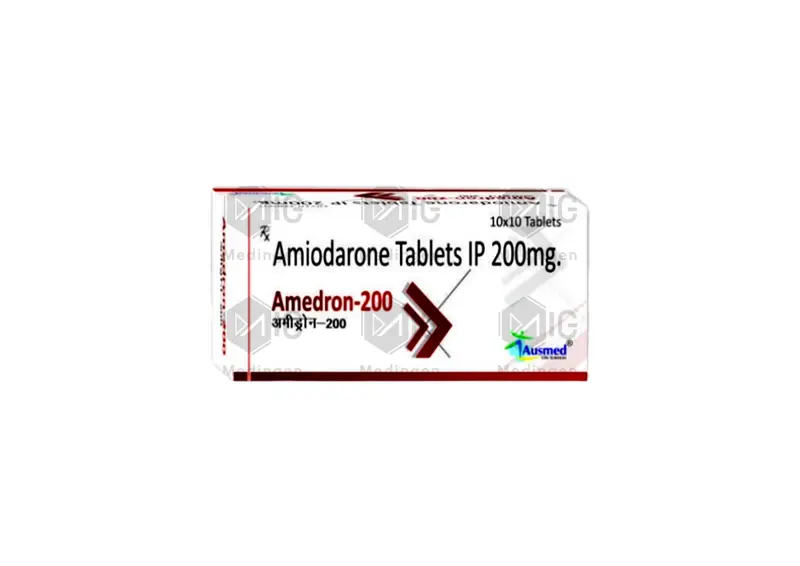
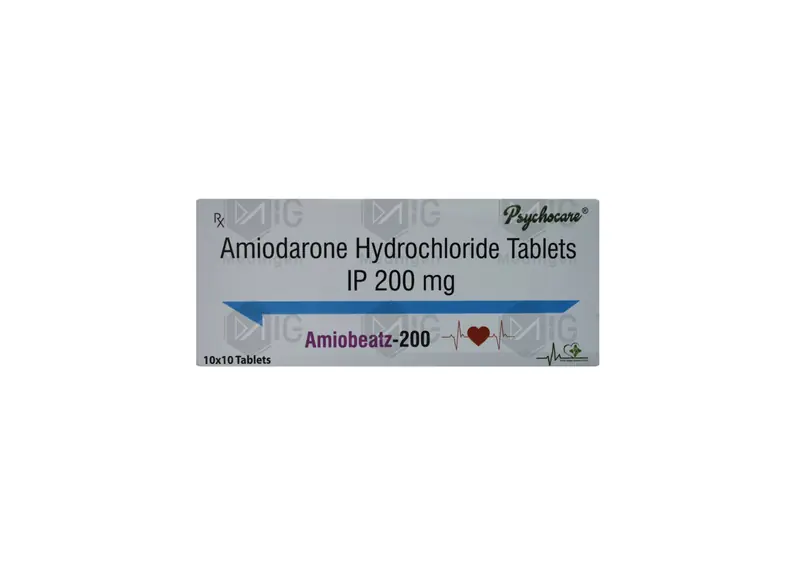
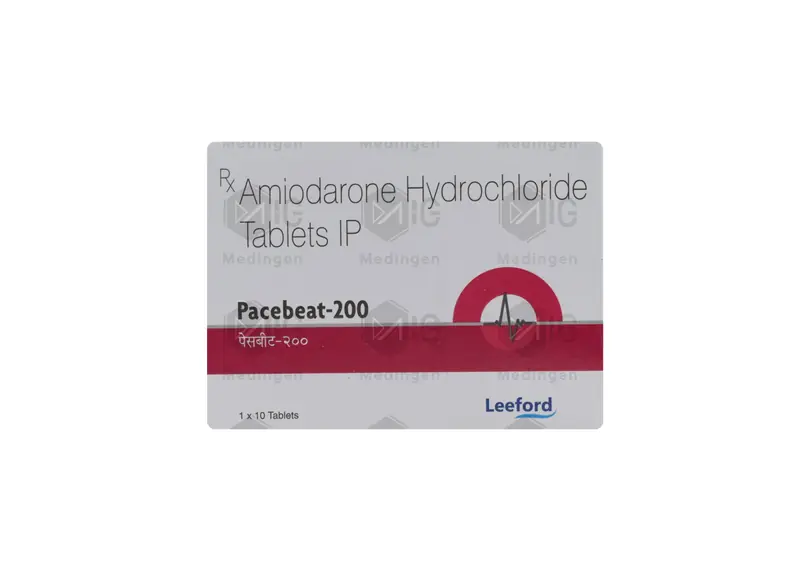
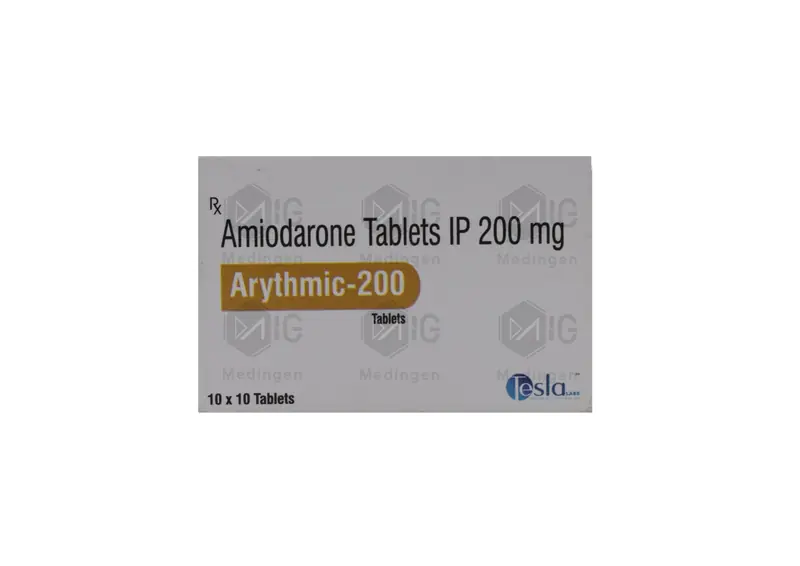
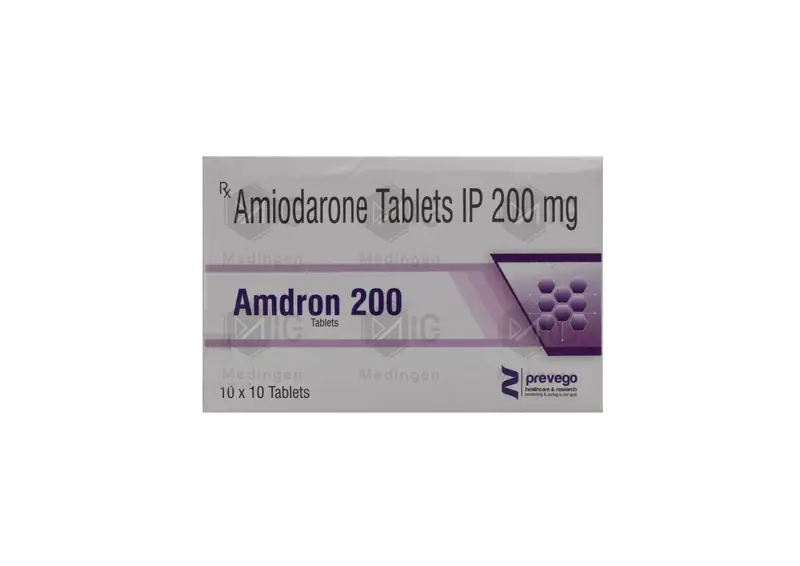
Are AMEDRON 200MG and AMIOBEATZ 200MG the same?
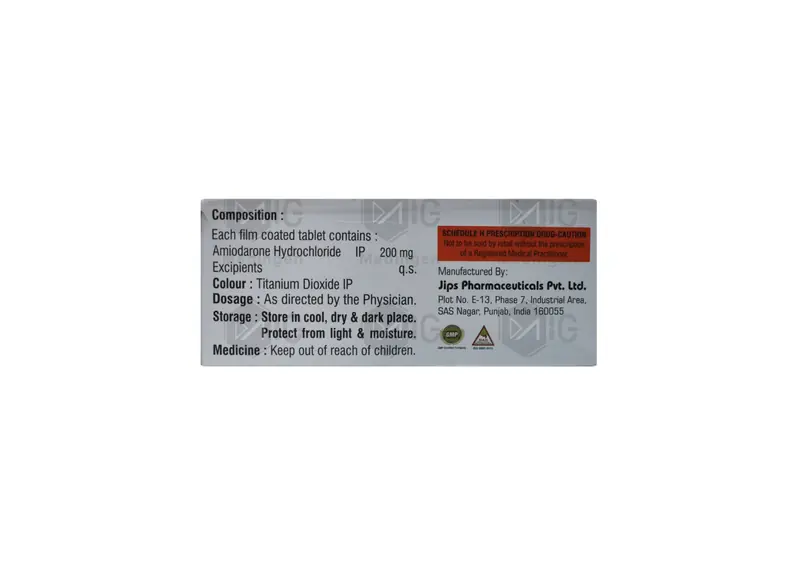
Yes, AMEDRON 200MG and AMIOBEATZ 200MG contain the same active salt (AMIODARONE 200MG) in the same strength and provide identical therapeutic efficacy, meeting strict quality and safety standards.




 Pharmacist Note










.jpg)
.jpg)