01
What are the common AMIPACE 100MG tablet uses?
The main AMIPACE 100MG tablet uses are treating serious ventricular rhythm disorders such as ventricular tachycardia and ventricular fibrillation. It is usually reserved for cases where other rhythm medicines are not effective enough.
02
Can AMIPACE 100MG tablet affect the thyroid?
Yes, AMIPACE 100MG tablet can cause both low and high thyroid function because it contains iodine-related activity. Doctors usually recommend periodic thyroid blood tests during treatment.
03
What are serious AMIPACE 100MG side effects to watch for?
Important AMIPACE 100MG side effects include breathlessness, persistent cough, vision changes, yellowing of eyes, severe slow pulse, or fainting. These symptoms require immediate medical attention because they may indicate lung, liver, or rhythm complications.
04
Can I stop AMIPACE 100MG tablet once my rhythm improves?
Do not stop AMIPACE 100MG tablet on your own even if symptoms improve. Sudden discontinuation may allow dangerous arrhythmias to return, and the medicine remains in the body for weeks.
05
Why are regular tests needed with AMIPACE 100MG tablet uses?
Regular tests help detect lung, liver, thyroid, eye, and ECG-related side effects early during AMIPACE 100MG tablet uses. This improves safety while continuing long-term rhythm control.
06
Are AMIPACE 100MG and AMIOZOOM 100MG the same?
Yes, AMIPACE 100MG and AMIOZOOM 100MG contain the same active salt (AMIODARONE 100MG) in the same strength and provide identical therapeutic efficacy, meeting strict quality and safety standards.





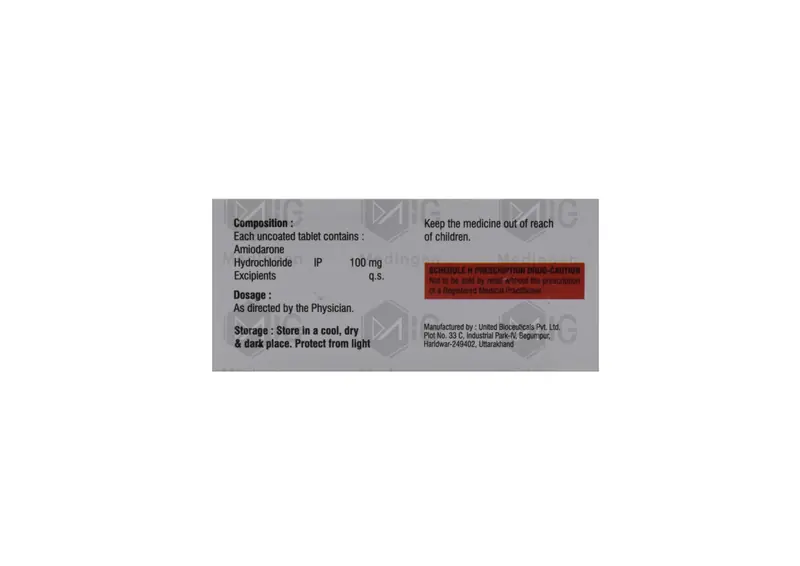
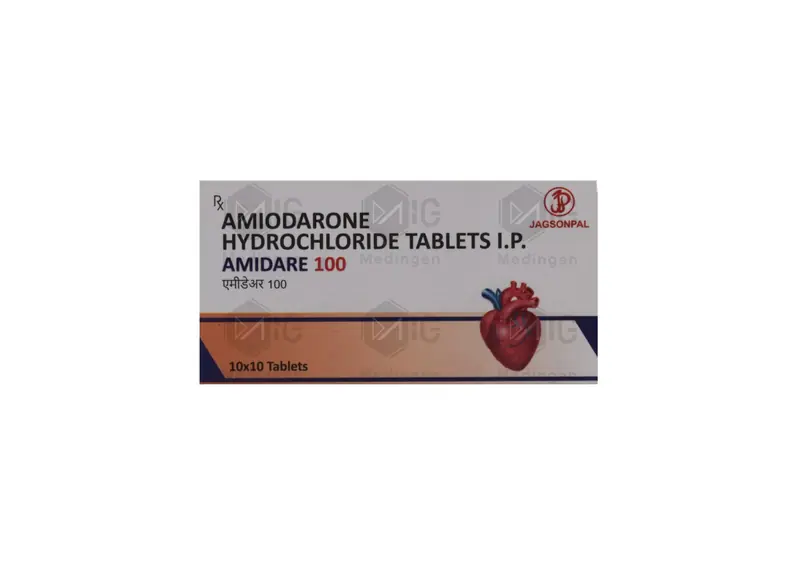

 Pharmacist Note










.jpg)
.jpg)