01
What are the common GLIM M3 tablet uses?
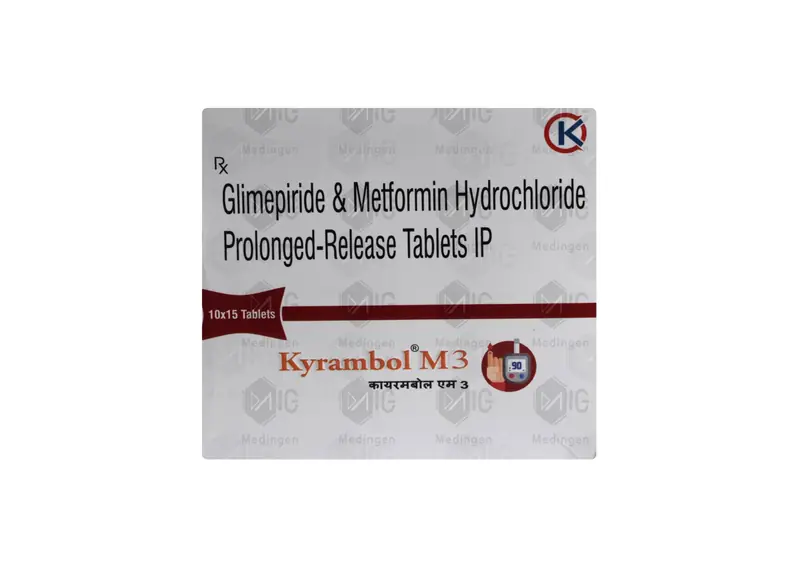
The most common GLIM M3 tablet uses include controlling blood sugar in type 2 diabetes when one medicine alone is insufficient. It is especially helpful for patients needing both fasting and post-meal sugar control.
02
Can GLIM M3 tablet cause low blood sugar?
Yes, one of the important GLIM M3 side effects is hypoglycemia, especially if meals are delayed, skipped, or after heavy exercise. Always carry a quick sugar source and monitor glucose regularly.
03
Can GLIM M3 tablet cause stomach upset?
Yes, nausea, gas, bloating, and loose stools are common early GLIM M3 side effects. Taking it with food and following the prescribed GLIM M3 dosage usually improves tolerance.
04
What happens if I miss a dose of GLIM M3 tablet?
Take the missed dose with food as soon as you remember on the same day. If it is close to the next scheduled GLIM M3 dosage, skip the missed one and continue normally without doubling.
05
How long should I take GLIM M3 tablet?
GLIM M3 tablet uses are usually long-term because type 2 diabetes requires ongoing management. Continue taking it regularly unless your doctor changes the treatment based on HbA1c, weight, or kidney function.
06
Are GLIM M3 and GLIMITH MF3 500 SR the same?
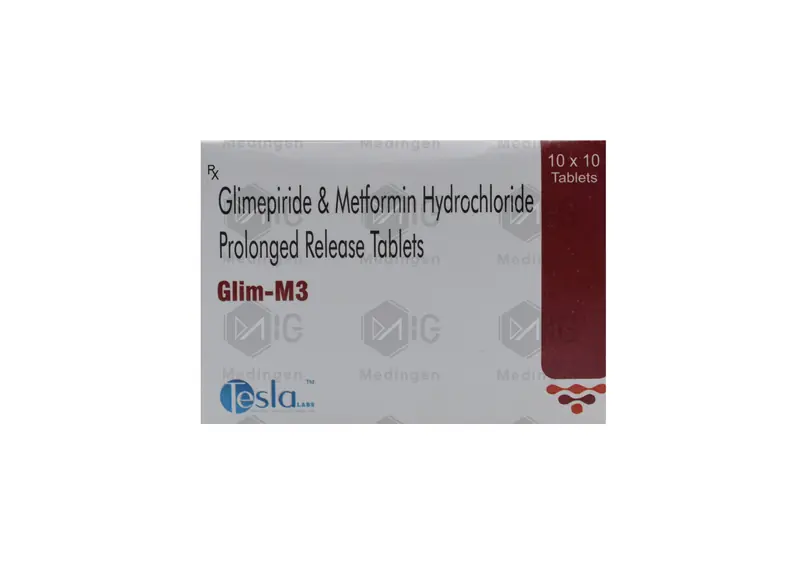
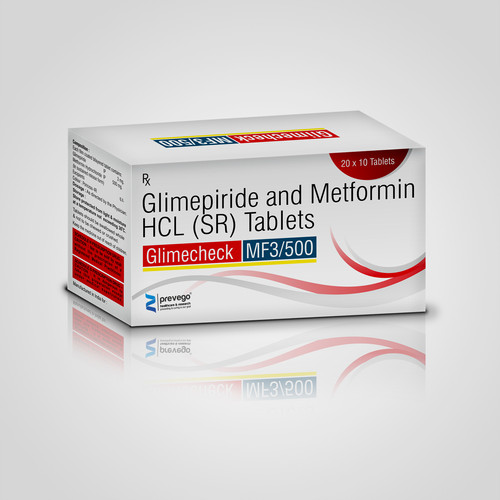
Yes, GLIM M3 and GLIMITH MF3 500 SR contain the same active salt (GLIMEPIRIDE 3MG + METFORMIN 500MG) in the same strength and provide identical therapeutic efficacy, meeting strict quality and safety standards.



 Pharmacist Note









.jpg)
.jpg)