01
How does Insulin Isophane work?
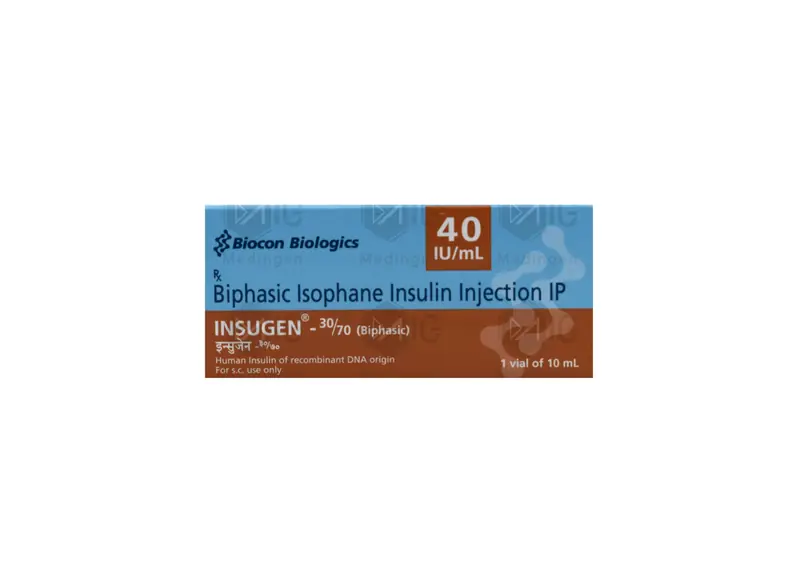
Insulin Isophane replaces natural insulin to regulate blood sugar levels. It helps cells absorb sugar for energy and reduces sugar production by the liver.
02
Can Insulin Isophane cause hypoglycemia? How do I manage it?
Yes, hypoglycemia is a common side effect. Prevent it by eating meals on time and avoiding skipped meals. If symptoms occur, consume a sugar source immediately, such as glucose tablets or juice.
03
What are the symptoms of hypoglycemia?
Symptoms include:Sweating, Shakiness, Dizziness, Confusion, Hunger, Irritability, Rapid heartbeatConsume sugar or glucose immediately to relieve these symptoms.
04
How should Insulin Isophane be injected?
Inject subcutaneously into the abdomen, upper thigh, upper arm, or buttocks. Rotate the injection site weekly to avoid lipodystrophy and ensure consistent insulin absorption.
05
Is Insulin Isophane safe during pregnancy?
Yes, Insulin Isophane is considered safe during pregnancy when prescribed by a doctor. Regular blood sugar monitoring and dose adjustments may be required to maintain optimal control.
06
When might the dose of Insulin Isophane need to be adjusted?
Dose adjustments may be necessary in cases of:
07
Can Insulin Isophane be given intravenously?
In emergencies like diabetic ketoacidosis or severe hyperglycemia, Insulin Isophane may be administered intravenously by healthcare professionals under close monitoring.











.jpg)
.jpg)


