01
What is Itraconazole used for?
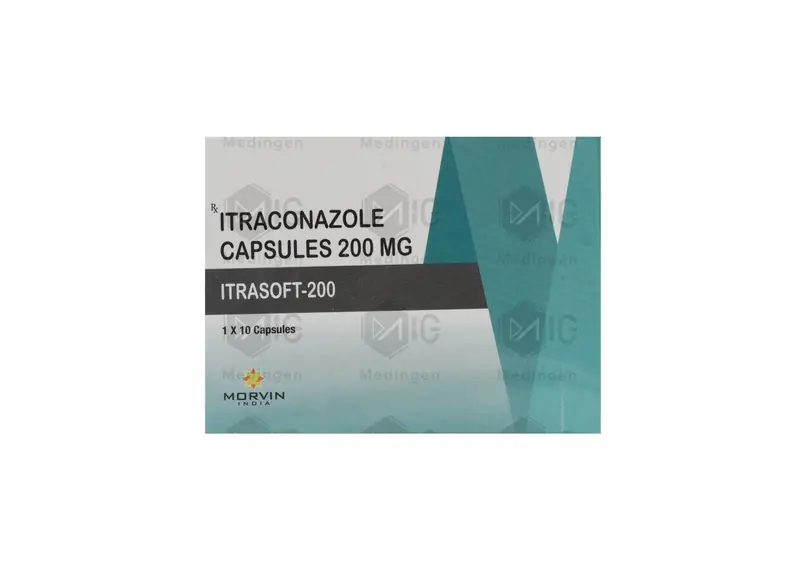
Itraconazole treats various fungal infections, including ringworm, athlete's foot, nail infections, and persistent yeast infections in the mouth or throat, particularly in those with weakened immune systems.
02
How long should I take Itraconazole?
The duration depends on the infection’s type and location. For instance, nail infections may require several months, while vaginal infections often need only a few days. Follow your doctor’s directions closely.
03
What if I miss a dose?
Take the missed dose as soon as possible, unless it’s almost time for your next dose; in that case, skip it. Avoid doubling doses.
04
Can I stop taking Itraconazole if I don’t see immediate results?
No, fungal infections can take time to resolve, especially nail infections. Finish the full course to ensure the infection is effectively treated.
05
Why are blood tests necessary while on Itraconazole?
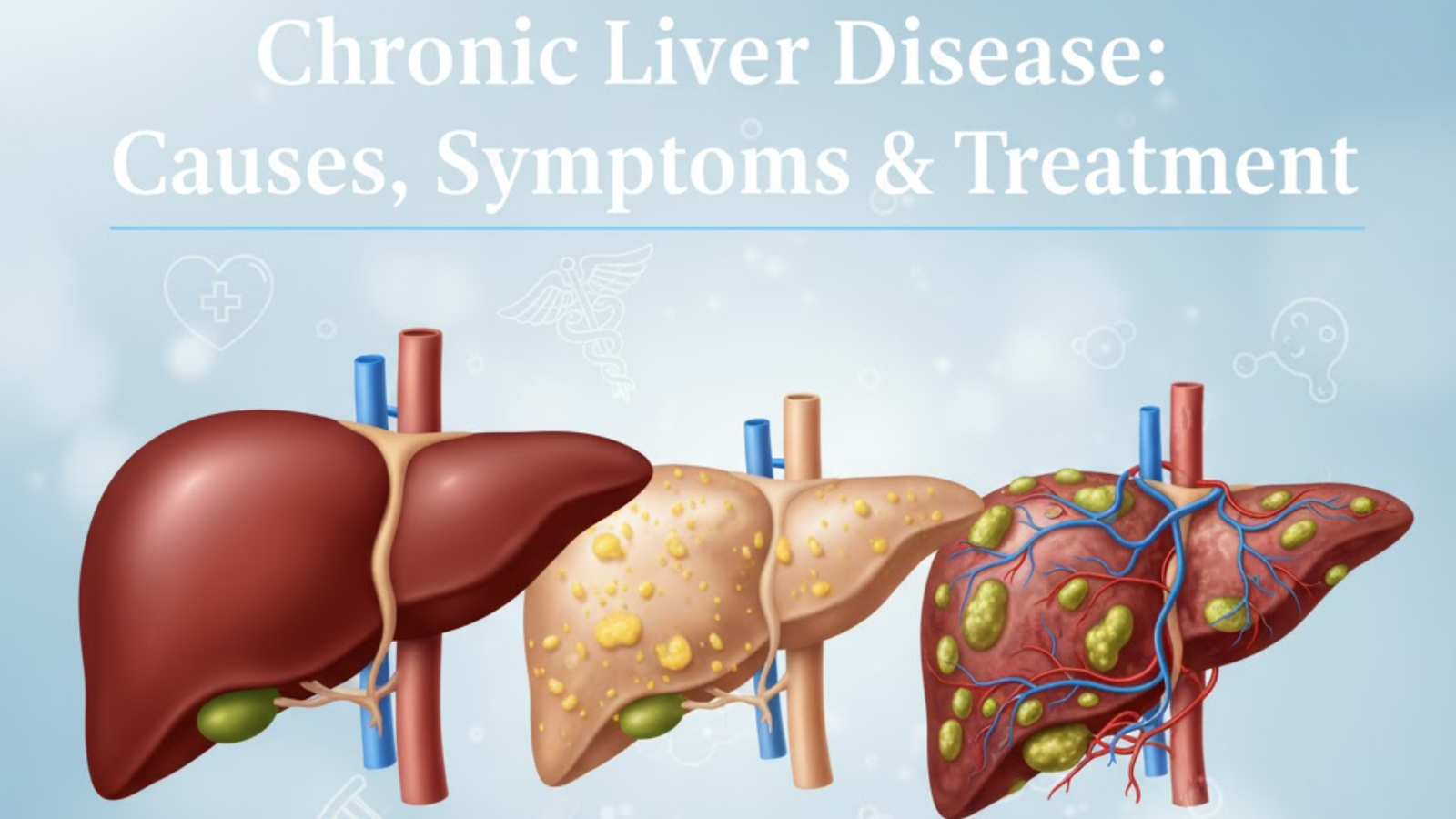
Itraconazole can impact liver function, so regular liver tests are important, especially if you experience nausea, dark urine, or abdominal pain.
06
Can I take Itraconazole with antacids?
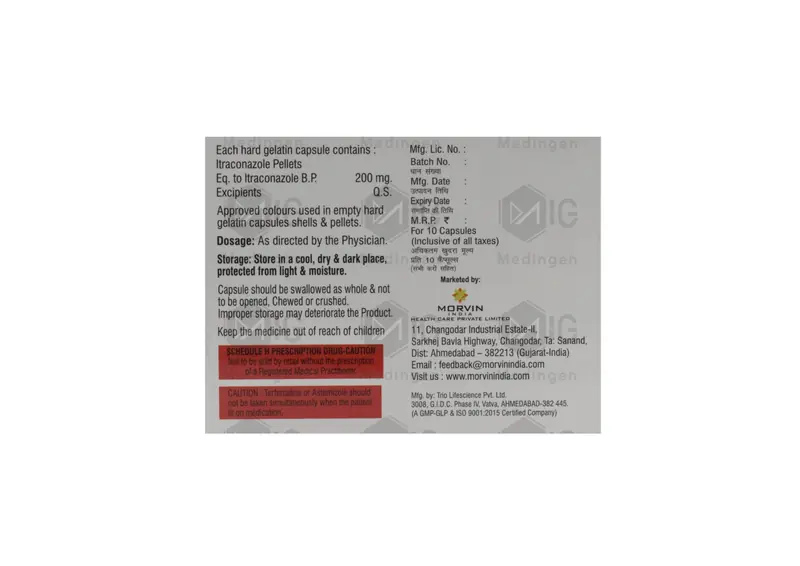
Avoid taking antacids within two hours of Itraconazole, as they can reduce its absorption. If needed, take Itraconazole with a cola drink, as acidity helps absorption.
07
What is drug resistance, and can Itraconazole lead to it?
Drug resistance is when fungi adapt to no longer respond to treatment. Complete the full course to help prevent resistance, and avoid using Itraconazole if a fungus is known to be resistant.
08
Can I take Alprazolam with Itraconazole?
Yes, but be cautious of side effects like drowsiness. Contact your doctor if you notice any adverse effects.
09
Why wasn’t Itraconazole prescribed for my friend on dofetilide?
Itraconazole can interact with dofetilide, potentially affecting heart rhythm, so it’s avoided in such cases.










.jpg)
.jpg)