01
Can Methotrexate cause mouth ulcers?
Yes, mouth ulcers can occur with Methotrexate. Folic acid may help reduce this risk. If ulcers are severe, consult your doctor for possible dose adjustments.
02
Why is folic acid prescribed with Methotrexate?
Methotrexate lowers folic acid levels, leading to side effects such as mouth sores, nausea, and fatigue. Folic acid supplements help reduce these effects.
03
Why are regular blood tests needed with Methotrexate?
Blood tests monitor Methotrexate’s effects on your liver and blood cells, helping your doctor adjust the dose or treatment plan as needed.
04
Does Methotrexate increase infection risk?
Yes, as an immunosuppressant, Methotrexate may increase infection risk. Contact your doctor if you notice symptoms like persistent cough, fever, or shortness of breath.
05
Can Methotrexate affect fertility?
Methotrexate may cause temporary fertility issues in men and women. These effects are usually reversible after stopping the medication.
06
What if I want to get pregnant and my partner is on Methotrexate?
If your partner is on Methotrexate, it is recommended to avoid pregnancy during treatment and for at least 3 months after the last dose to reduce any potential risk to the fetus.
07
Can I stop Methotrexate once my symptoms improve?
No, consult your doctor before stopping Methotrexate, as stopping abruptly can cause a flare-up of symptoms. Your doctor will advise on how to safely discontinue.
08
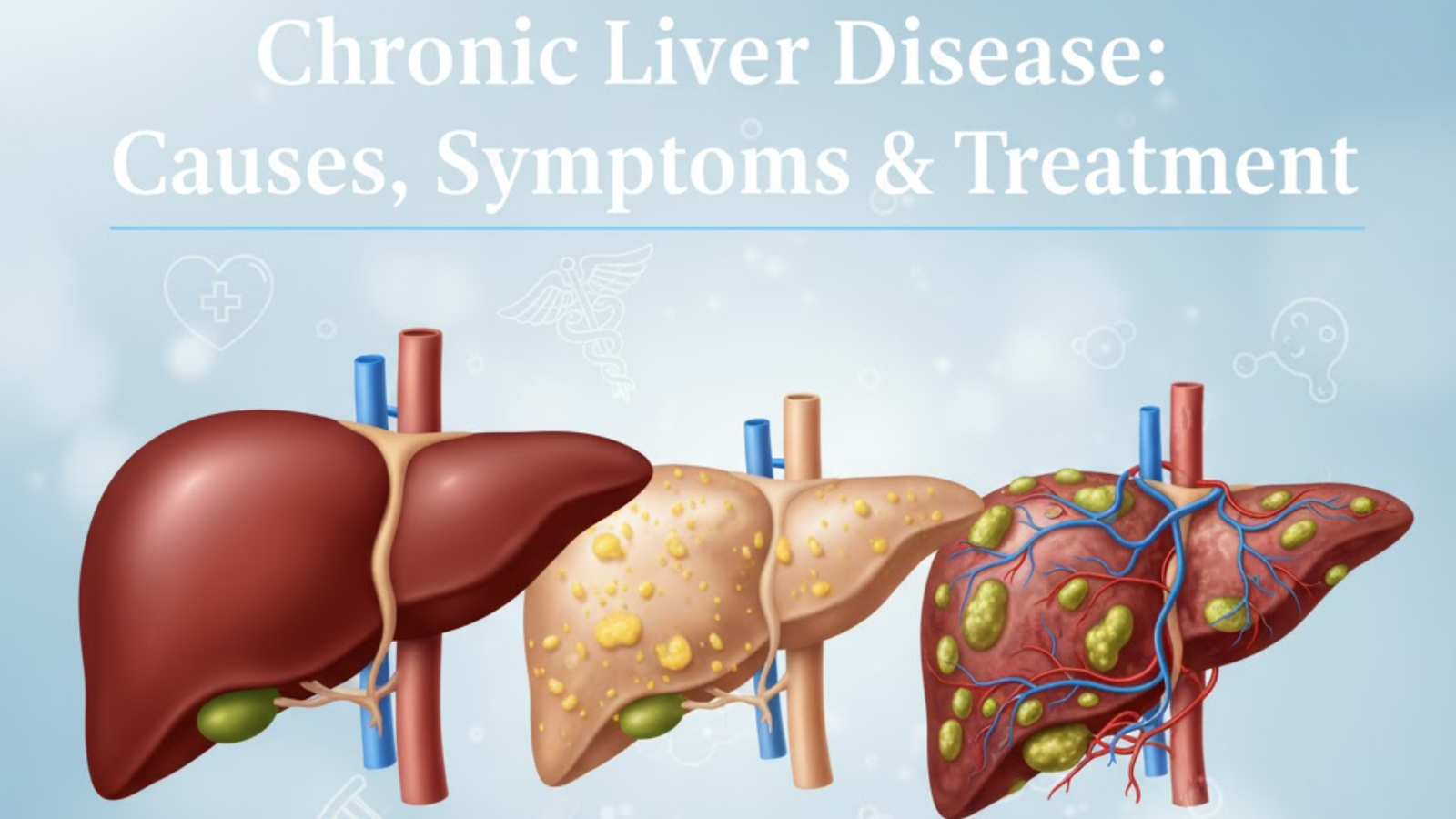
Can Methotrexate cause liver damage?
Yes, Methotrexate can increase liver enzymes and potentially lead to liver damage over time. Regular liver function tests are essential, and avoid alcohol to reduce liver strain.
09
Can I take painkillers with Methotrexate?
Avoid NSAIDs like ibuprofen with Methotrexate unless prescribed, as they may increase the risk of side effects. Always consult your doctor before adding new medications.









.jpg)
.jpg)