01
Should Rifaximin be taken with food?
Yes, Rifaximin can be taken with or without food, accompanied by a glass of water. Follow your doctor’s instructions for the prescribed duration.
02
How does Rifaximin benefit liver disease patients?
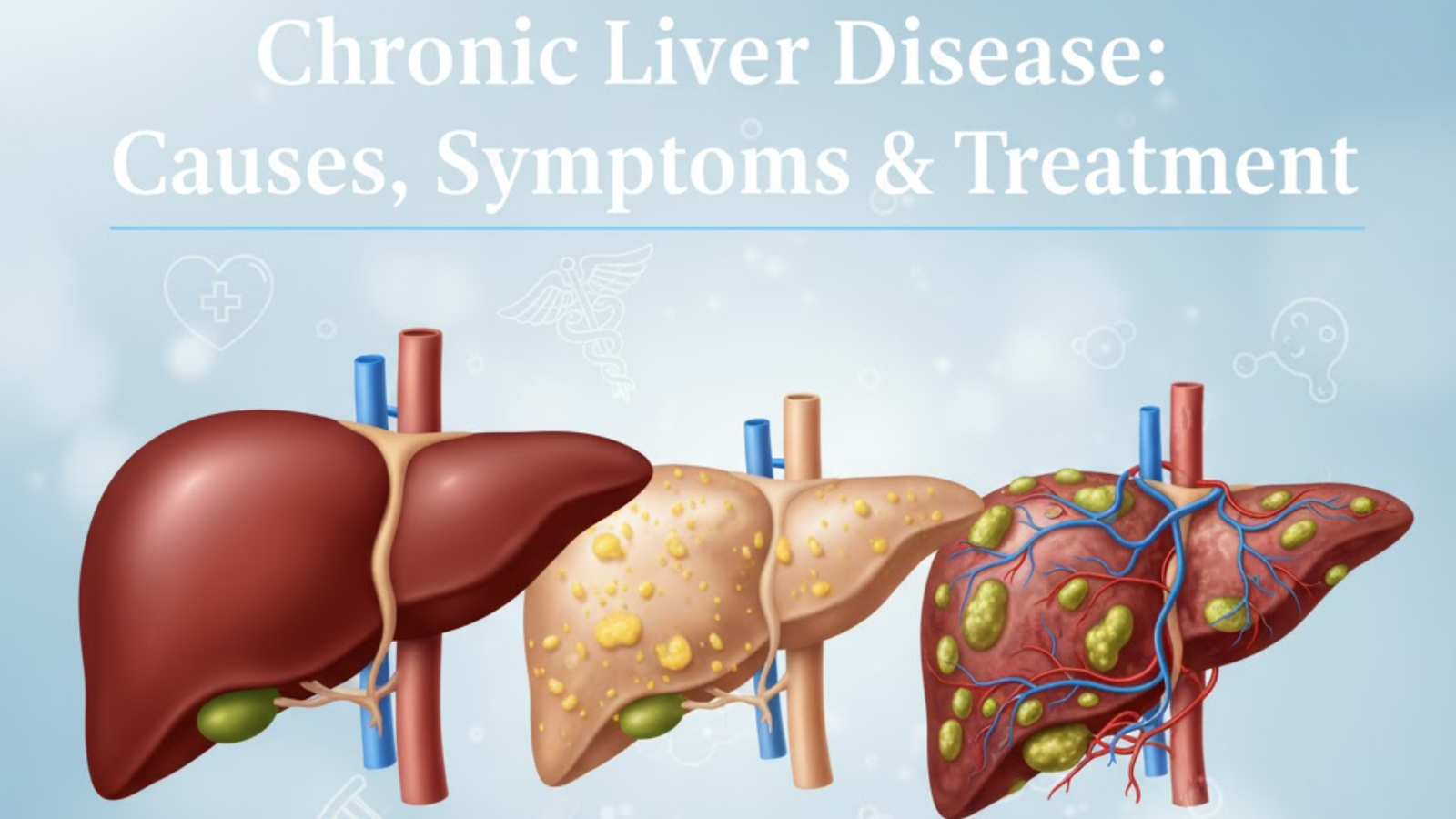
In liver disease, excess bacteria in the gut can produce toxins that may travel to the brain, causing hepatic encephalopathy. Rifaximin reduces these bacteria, alleviating symptoms like confusion and agitation.
03
Can Rifaximin cause weight gain?
Rifaximin does not typically cause weight gain. However, if you notice an unusual increase in weight, consult your doctor to identify the underlying cause.
04
Can Rifaximin be used long-term?
Yes, Rifaximin can be used long-term under medical supervision, particularly for preventing episodes of hepatic encephalopathy. Your doctor will monitor your condition to ensure the treatment remains effective and safe.
05
Is Rifaximin safe for children?
Rifaximin’s safety in children depends on the specific condition being treated. Consult a doctor for advice tailored to your child’s needs.
06
Can Rifaximin be used for travelers’ diarrhea?
Yes, Rifaximin is sometimes used for travelers’ diarrhea caused by certain bacterial infections. However, it should only be taken as prescribed by your doctor.
07
Does Rifaximin interact with other medications?
Rifaximin has a low risk of significant drug interactions due to minimal systemic absorption. However, inform your doctor about all medications you are taking to ensure safety.
08
Can I drink alcohol while taking Rifaximin?
Alcohol consumption is not directly contraindicated with Rifaximin but should be avoided, especially in liver disease patients, as it can worsen liver function.










.jpg)
.jpg)