Q: How long should I take Rosuvastatin?
Rosuvastatin is often prescribed long-term, as it controls cholesterol levels only while being taken. Stopping it without an alternative treatment plan may cause cholesterol levels to rise.
Q: Does Rosuvastatin cause weight gain?
No direct association exists between Rosuvastatin and weight gain. If you notice unusual weight changes, consult your doctor.
Q: Can Rosuvastatin make me feel tired?
Yes, fatigue is a potential side effect, possibly due to reduced energy in muscles. If this persists, consult your doctor.
Q: Should Rosuvastatin be taken at night?
Rosuvastatin can be taken at any time of day, with or without food. However, taking it at the same time daily helps maintain consistency.
Q: What foods should I avoid while on Rosuvastatin?
Avoid high-calorie foods, fried items, and junk food. Follow a low-fat, cholesterol-conscious diet recommended by your doctor or dietitian.
Q: How do I know if Rosuvastatin is working?
Regular cholesterol level checks by your doctor will monitor the medication’s effectiveness. Rosuvastatin’s role in reducing heart attack and stroke risk is well-established.
Q: Can Rosuvastatin cause memory loss?
Rarely, Rosuvastatin may cause memory issues, which typically resolve after stopping the medication. Consult your doctor if you experience cognitive changes.
Q: Does Rosuvastatin increase diabetes risk?
Rosuvastatin may slightly increase blood sugar levels, particularly in individuals predisposed to type 2 diabetes. Diabetics should monitor glucose levels and consult their doctor about any concerns.
Q: Can I consume alcohol while taking Rosuvastatin?
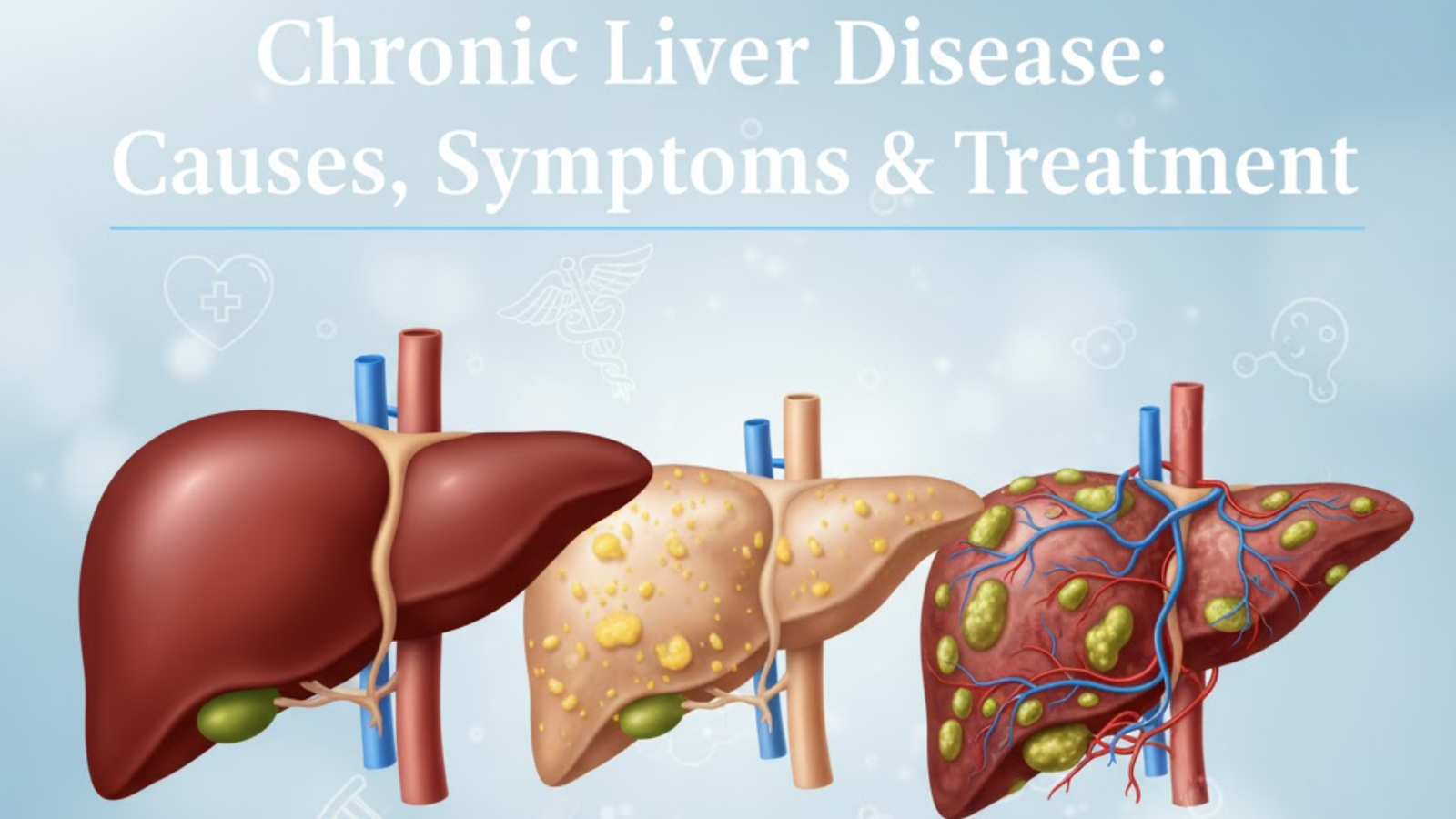
Avoid alcohol during treatment, as it increases the risk of liver damage and exacerbates side effects such as muscle pain.
Q: Does Rosuvastatin cause muscle problems?
Yes, muscle pain or weakness may occur due to reduced oxygen supply to muscle tissues. If these symptoms interfere with daily activities, consult your doctor for evaluation and guidance.









.jpg)
.jpg)