01
What is Clopidogrel used for?
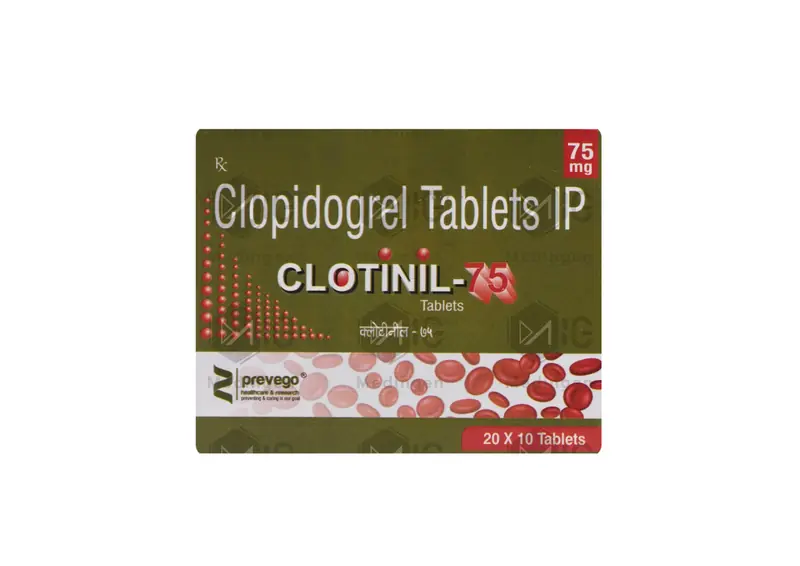
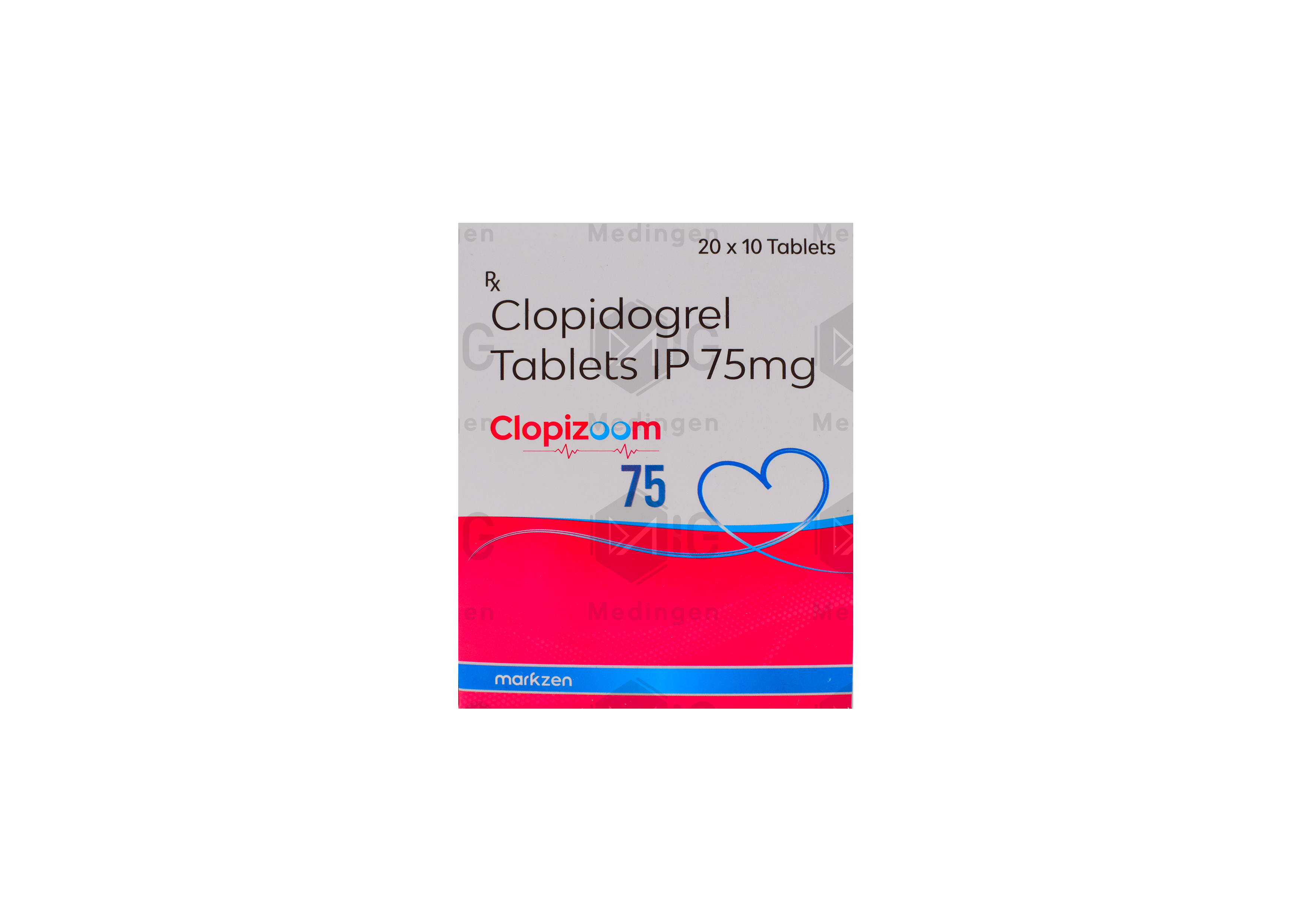
Clopidogrel prevents blood clots, reducing the risk of heart attack and stroke by preventing platelets from clumping together.
02
Is Clopidogrel a blood thinner?
Yes, Clopidogrel is an antiplatelet blood thinner that helps prevent clot formation.
03
When should I take Clopidogrel?
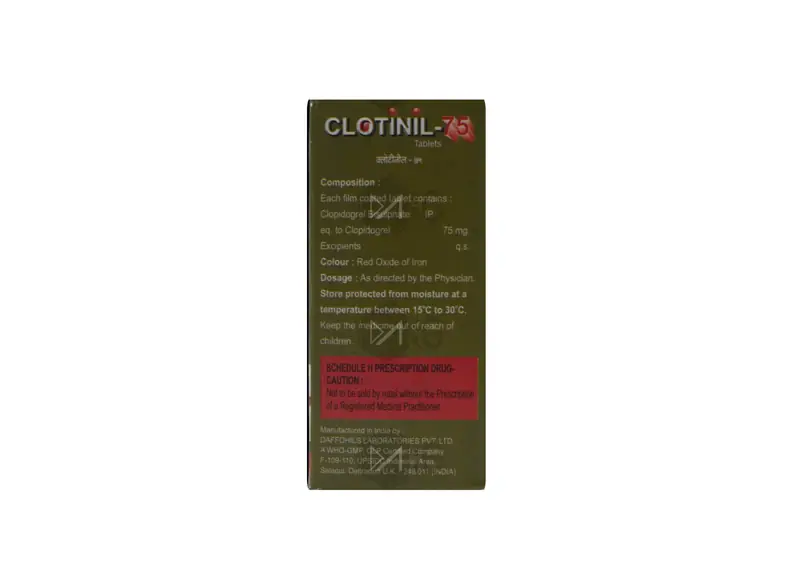
Take Clopidogrel at the same time each day, with or without food, to maintain consistent blood levels.
04
Does Clopidogrel affect blood pressure?
Rarely, Clopidogrel may cause low blood pressure. Contact your doctor if you experience symptoms like dizziness or lightheadedness.
05
Who should not take Clopidogrel?
Clopidogrel may not be suitable for individuals with severe liver disease, active bleeding (e.g., stomach ulcers), brain bleeding, or bleeding disorders. Discuss your medical history with your doctor before use.
06
Can I take Omeprazole with Clopidogrel?
Omeprazole may reduce Clopidogrel’s effectiveness. If you need acid relief, your doctor may suggest an alternative, such as lansoprazole.
07
What happens if I stop taking Clopidogrel?
Stopping Clopidogrel abruptly may raise your heart attack or stroke risk. Take it consistently as prescribed to avoid worsening your condition.
08
How quickly does Clopidogrel work, and how long should I take it?
Clopidogrel begins working within 2 hours. Your doctor will recommend the duration, which may vary based on your condition, from a few weeks to lifelong use.
09
What are the side effects of Clopidogrel?
Common side effects include bleeding (such as nosebleeds or bruising) and digestive issues like diarrhea or stomach pain. Seek medical help for severe or persistent bleeding.
10
Can I drink alcohol while taking Clopidogrel?
Alcohol should be limited, as excessive intake can increase the risk of stomach irritation or ulcers.











.jpg)
.jpg)